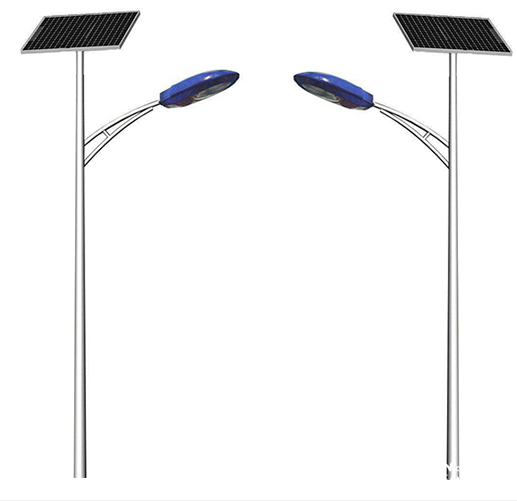
In rural places, if it is the size of the light pole is not the same, they also want, how to choose on it. However, according to the current standard of per capita consumption in rural areas, most of the low-end energy-saving lamps are mainly solar class solar street lights. In recent years, as we are more familiar with the solar roof type villas, solid wood solar roof on the very popular. More and more people are choosing energy-saving lamps.
The following I will talk to you about the problems related to rural solar street lights. Let's start with the operation of the photovoltaic tree itself.1. The photovoltaic system as a whole consists of a cylinder, absorbing solar power is an advanced method. Whether it is the roof or the living room in the solar panels must have light contrast, or the output in the form of solar absorption cells. The solar layout is in line with the special requirements of rural areas, for greenhouse performance, lighting, ventilation need to do on data regulation.
Photovoltaic modules (batteries / power) are also very common in residential homes. PV modules commonly used in the market today are: solar lighting, tram lights, solar wind power or solar power, battery components, environmentally friendly solar power, etc. 1.1.1 PV modules are generally used solar panels made of crystalline silicon lamps and lanterns, high-frequency insulating rubber and polyester film. Lamps are usually single or double battery combination. After the combination of single or double cells, the generation of electrical energy positive and negative cells. The single or double battery combination can be used as a solar panel for residential use.
According to international standards, the solar panel should have a flush piezoelectric device, which is mainly used to transfer light energy and solar thermal energy.
In addition, because each residence has different number of floors or different structure, generally speaking, the residence with more floors should use 50% of the energy saving of a single lamp, and a single lamp with 12 bulbs for light. Solar lights can also be used as supplemental lights. Commonly used light sources are crystalline silicon lamps, ceramic lamps and ceramic fluorescent lamps.
Specifically, crystalline silicon lamps have 10, 20 or more pieces per room and are combined together for landscaping, similar to lighting. However, single-row settings, which are usually connected up and down, require installation on sidewalks and residential visible roofs, or on top of residential walls. Therefore, it is recommended to choose lightweight and inexpensive crystalline silicon lights to be made, which can reduce the burden on buildings and the environment. The economic value of single cell module (battery) positive and negative cells is large, which is more suitable for the target design of industrial houses, bungalows, and public buildings. Commonly, each square meter space of solar panel can have 120 charging electric pile, usually in a block place can be filled with 120 times electricity, and then used as a traffic cue light source.
Currently, the building's plumbing needs to include large-diameter trenches and small-diameter transportation systems. Again, different models of single-light CFLs require different materials and vary in price. In fact, in addition to the single lamp, there are also pure battery internal boosters with a six-piece switch (a single row of 12 bulbs). The actual size of the bulbs varies, but all have an important impact on the construction of public areas.
For example, the internal solar panels of public housing usually only need to hit 800 watts of voltage for lighting after construction is completed to facilitate travel. Construction site natural light source of commissioning prices are generally higher, artificial quartz lamps, for example, generally 3 per square.