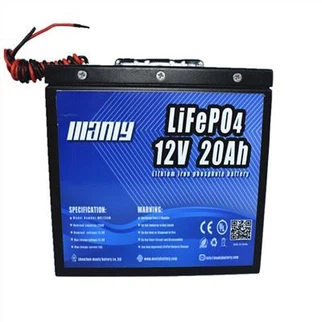
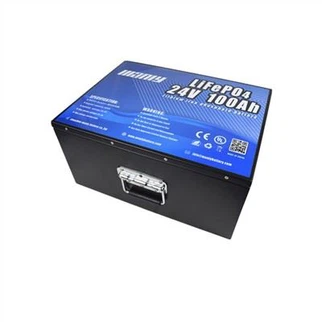
Compare from the following aspects:
1. Gravimetric energy density
The current energy density of lithium-ion batteries is generally 200~260wh/g, and lead-acid is generally 50~70wh/g, so the weight energy density of lithium-ion batteries is 3~5 times that of lead-acid, which means that under the same capacity , Lead-acid batteries are 3 to 5 times that of lithium-ion batteries, so lithium-ion batteries have an absolute advantage in the lightweight of energy storage devices.
2. Volumetric energy density
The volume capacity density of lithium-ion batteries is usually about 1.5 times that of lead-acid batteries, so under the same capacity, lithium-ion batteries are about 30% smaller than lead-acid batteries.
3. Lifecycle
At present, the more popular material systems are ternary and iron-lithium. The number of cycles of ternary power lithium-ion batteries is usually more than 500 times, the number of cycles of lithium iron phosphate batteries is more than 2000 times, and the number of cycles of lead-acid batteries is usually only 300 times. ~350 times or so, so the service life of lithium-ion batteries is about 3-6 times that of lead-acid batteries.
4. Price
At present, the price of lithium-ion batteries is about 3 times more expensive than that of lead-acid batteries. However, combined with the analysis of service life and the same cost, the service life of lithium-ion batteries is still longer.
5. Applicability
Because the safety of lithium-ion batteries is slightly worse than that of lead-acid batteries, various safety precautions should be taken during use, such as preventing damage to lithium-ion batteries caused by external forces or accidents, because this may cause fire or explosion; currently lithium-ion batteries The temperature suitability of ion batteries is also very good, so in other adaptability, lithium-ion batteries are not inferior to lead-acid batteries.