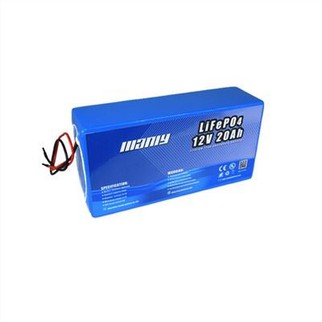
At present, in response to the problem of flammability of the electrolyte of lithium-ion battery packs, a very direct method is to add a flame retardant to the existing electrolyte. However, in order to achieve flame retardancy, a large amount of flame retardant must be added to the electrolyte, which will correspondingly reduce the ionic conductivity of the electrolyte and significantly affect the electrochemical performance and energy density of lithium-ion battery packs.
Recently, researchers at Stanford University in the United States have created a new type of smart electrospinning separator with a heat-triggered mechanism and an internal flame retardant that can be used to prevent lithium-ion batteries from burning.
In this structure, the flame retardant is encapsulated inside the polymer protective shell to prevent the flame retardant from directly dissolving into the electrolyte, which could negatively affect the battery performance. When the heat inside the lithium-ion battery pack is too high, the protective casing of the battery will dissolve due to the high temperature and release the flame retardant, thereby effectively inhibiting the combustion of the highly flammable electrolyte.
1. Use the original charger: The charging time is the high-incidence period of lithium-ion battery pack explosions. An original charger will keep your battery safe more than a compatible charger.
2. Use reliable batteries: try to buy original batteries or batteries from well-known brands in the market, such as lithium-ion batteries. Do not buy second-hand or parallel imports to save money. Such batteries may have been repaired and are not as reliable as original batteries.
3. Do not place the battery pack in extreme environments: high temperature, collision, etc. are all important reasons for the explosion of lithium-ion battery packs. Try to keep the battery in a stable environment and keep away from high temperature places.
4. Don't try to modify: After modification, the battery may be in an environment that has not been considered before, adding a safety hazard.