Lead-acid batteries
As a relatively mature technology, lead-acid batteries are still the only batteries for electric vehicles that can be mass-produced because of their low cost and high-rate discharge. During the Beijing Olympics, there were 20 electric vehicles using lead-acid batteries to provide transportation services for the Olympics.
However, the specific energy, specific power and energy density of lead-acid batteries are very low, and electric vehicles using this as a power source will not have good speed and cruising range.
Nickel-cadmium batteries and nickel-metal hydride batteries
Although it has better performance than lead-acid batteries, it contains heavy metals, which will pollute the environment after being used and abandoned.
Ni-MH power batteries have just entered a mature stage, and are currently the only battery system that has been practically verified, commercialized, and scaled up among the battery systems used in hybrid vehicles. Ni-MH power batteries account for 99% of the current hybrid battery market.
lithium battery
Traditional lead-acid batteries, nickel-cadmium batteries and nickel-metal hydride batteries have relatively mature technologies, but their use in automobiles as power batteries has major problems. At present, more and more automobile manufacturers choose to use lithium batteries as power batteries for new energy vehicles.
Because the lithium-ion power battery has the following advantages: high working voltage; large energy; small size; lightweight; long cycle life; low self-discharge rate; no memory effect; no pollution, etc.
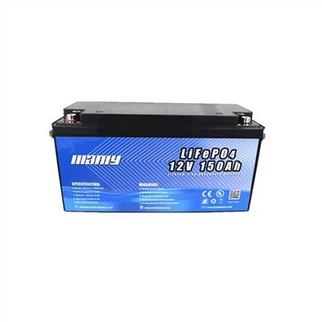
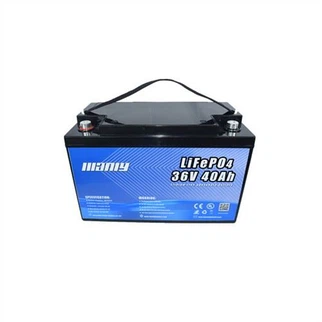
Lithium iron phosphate battery
Lithium iron phosphate battery is also a kind of lithium battery, its specific energy is less than half of lithium cobalt oxide battery, but its safety is high, the number of cycles can reach 2000 times, the discharge is stable, and the price is cheap, becoming a new choice for vehicle power.
The fuel cell
Simply put, a fuel cell is a power generation device that directly converts the chemical energy in the fuel and oxidizer into electrical energy. Fuel and air are separately sent to the fuel cell to produce electricity. It looks like a battery with positive and negative poles and electrolytes from the outside, but in fact, it cannot "storage" but is a "power plant".
Because the fuel cell directly converts the chemical energy of the fuel into electrical energy without going through the combustion process, it is not restricted by the Carnot cycle.
In the development of new energy vehicle batteries, nickel-metal hydride battery technology is the most mature and will continue to be the mainstream of new energy vehicles in the next three years. After that, nickel-metal hydride battery technology will compete with lithium iron phosphate and hydrogen fuel cells. Replaced by lithium batteries and fuel cells.