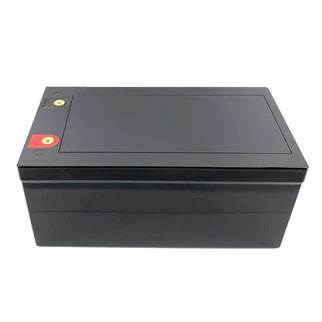
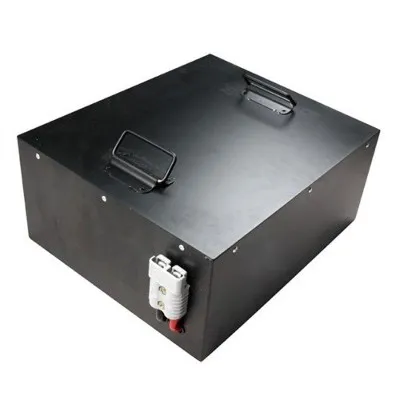
As we all know, compared with lead-acid batteries, lithium-ion batteries have the advantages of high energy density, long life, small size and light weight. After the announcement of the new national standard for electric vehicles, many people think that lithium-ion batteries will soon replace lead-acid batteries, but in fact, this is not the case. Lead-acid batteries are still the mainstream in the market. Why?
1. The cost advantage of lithium-ion batteries is not outstanding
In terms of cost, the cost of lead-acid batteries is undoubtedly the lowest, whether it is electrode materials, electrolyte, or assembly environment requirements, are far lower than lithium-ion batteries. According to many dealers selling lithium electric vehicles, under normal circumstances, the price of lithium-ion batteries is 1.5-2.5 times that of lead-acid batteries, but the service life is not good, and the maintenance rate is also high.
2. The maintenance cycle is too long
Once a lithium-ion battery fails to repair, it will take about a week or more. The reason is that the dealer cannot repair or replace the defective battery inside the lithium-ion battery. It must be returned to the manufacturing company, and the manufacturer will disassemble and assemble. And many lithium-ion batteries cannot be repaired.
3. Compared with lead-acid batteries, safety is flawed
Lithium-ion batteries cannot withstand drops and shocks during use. After piercing the lithium-ion battery or severely impacting the lithium-ion battery, the lithium-ion battery may burn and explode. Lithium-ion batteries have relatively high requirements for chargers. Once the charging current is too large, the protective plate in the lithium-ion battery may be damaged and cause combustion or even explosion. Big-brand lithium-ion battery manufacturers have a higher product safety factor, but the price is also higher. The products of some small lithium-ion battery manufacturers are cheap, but the safety is relatively low.
4. Environment
At present, most of the voices in the society say that lead-acid batteries pollute the environment and lithium-ion batteries are environmentally friendly. In fact, this is a big misunderstanding. Previously, there were too many small lead-acid battery factories in southern China that did not pay attention to environmental protection and discharged them. The country wants to reduce the scale of lead-acid batteries and vigorously develop new energy sources. Therefore, the media's arguments are also highly targeted, which is not the case. Currently, the best part of lead-acid batteries in relation to lithium-ion batteries is the recycling mechanism.
In fact, lead-acid batteries are definitely an evergreen tree in the chemical power supply industry. It has been more than a hundred years since its birth. In recent years, although it has been said that lithium-ion batteries should be used instead, I think it is impossible to replace it in some fields temporarily. Yes, it is impossible for at least three to five years.
The new national standard for electric vehicles stipulates that the weight limit of the entire vehicle, including batteries, should not exceed 55 kg. At the same time, the new national battery standard also makes strict regulations on battery technical conditions, product quality, and product specifications:
1. The battery is required to be designed to be lightweight and increase energy density instead of weight;
2. Mandatory set battery cycle charging life, not less than 350 times;
3. Comprehensively raise the technical threshold of lead-acid battery access.
Will lead-acid batteries become subjugated under the pressure of current policies? In fact, the energy density of driving lead-acid batteries is indeed very low, generally only within 45Wh/kg. In other words, the same volume and volume are only one-ninth compared with solid all-lithium-ion batteries; compared with liquid (positive grade ternary materials) lithium-ion batteries, only about one-eighth; compared with the current stage Compared with lithium-ion batteries, it can only be about one-quarter or one-third; in fact, lithium-ion batteries are used for electric vehicles under national standards, and there is often a great development trend in both the mileage and the car series. space.