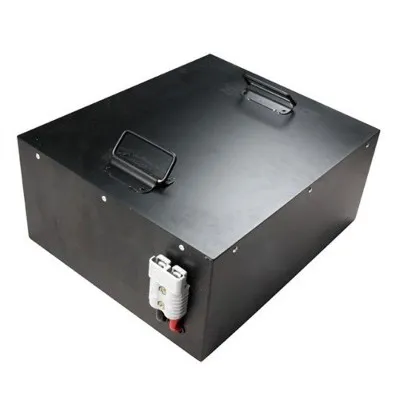
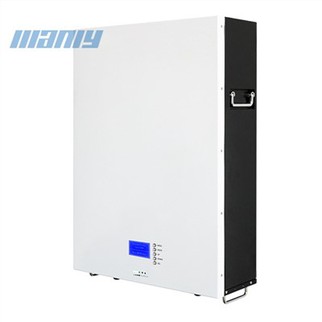
Ternary polymer lithium battery refers to the cathode material using lithium nickel cobalt manganate (Li (NiCoMn) O2) ternary cathode material lithium battery"> lithium battery, ternary composite cathode material precursor products, is based on nickel salt, cobalt salt, manganese salt as the material, the ratio of nickel cobalt manganese inside can be adjusted according to actual needs, ternary material to do the cathode of the battery compared to lithium cobalt acid high security, but the voltage is too low, used in Cell phones (cell phone cut-off voltage is generally around 3.4V) will have a significant sense of lack of capacity.
Tributary lithium battery function.
In the capacity and safety of the more balanced materials, cycle function is better than the normal lithium cobalt acid, the first due to technical reasons its nominal voltage as long as 3.5-3.6V, in the use of the scope of some constraints, but now, following the continuous improvement of the formula and structural perfection, the nominal voltage of the battery has reached 3.7V, the capacity has reached or exceeded the level of lithium cobalt acid.

Ternary lithium battery parameters.
Nominal capacity: 1250mAh Normative discharge continuous current: 0.2C
Maximum discharge continuous current: 1C
Discharge: -10~60℃
Product size: MAX 9.5*35*52mm
Product internal resistance: ≤150mΩ
Lead wire type: National standard wire UL1007/24#, wire length 55mm
Protection parameters: overcharge protection voltage / 4.325±0.025V per string
Over discharge protection voltage 2.5±0.05V
Overcurrent value: 2~6A or 3-8A

Ternary lithium battery advantages.
Since the beginning of 2014, the ternary material lithium battery has been modified in all aspects, the number of cycles has increased, and now the appropriate increase in cost, can reach more than 1500 times, and the ternary material lithium battery safety function is also improving, more and more close to lithium iron phosphate. In the past two years, the new nickel-cobalt-aluminum ternary materials, although the battery production process in the higher environmental requirements, but its stability and safety to further improve, for a number of battery factories are recognized, trial production.
1、High voltage pathway. Voltage path is an important goal of battery energy density, the resolution of the basic efficiency and cost of the battery, and therefore has important implications for the selection of battery materials. The higher the voltage path, the greater the specific capacity, must be the same volume, weight, and even the same ampere-hour battery, the voltage path is higher than the ternary material lithium battery range journey farther. Ternary material voltage pathway is significantly higher than lithium iron phosphate, the high line can reach 4.2 volts, the discharge pathway can reach 3.6 or 3.7 volts.
2, high energy density
3, high density of vibration

Tributary lithium battery disadvantages.
1、Poor safety
2, poor high temperature resistance
3, poor life span
4, poor high power discharge
5, toxic elements (ternary lithium batteries high-power charge and discharge temperature rises sharply, the release of oxygen after high temperature is very easy to burn)