Battery Electric Vehicle (BEV) is a vehicle that is propelled by an electric motor powered by a battery that has been fully charged beforehand, while the battery power is replenished by an external power source. It does not pollute the air on the road because it does not emit exhaust gas on the road.
Principle
A pure electric vehicle uses a battery to store energy in the vehicle, which is equivalent to the fuel tank of a normal car and provides electricity to the electric motor, which converts the electricity into kinetic energy to propel the vehicle, and the structure is very simple.
The battery used in a pure electric vehicle is a battery, and the battery is charged by the external power input after the power is exhausted. The electric motor can drive the wheels by the differential drive as in conventional vehicles, but the newer method is to have one electric motor for each push wheel, and the electric motor drives the wheels directly, eliminating the need for a differential.
The electric motor is usually used not only to drive the vehicle but also as an energy converter for the regenerative braking system when braking, converting the kinetic energy of the vehicle into electrical energy and storing it in the battery. Unlike a typical car, the electric motor comes to a complete stop when the car comes to a stop and does not consume energy at all.
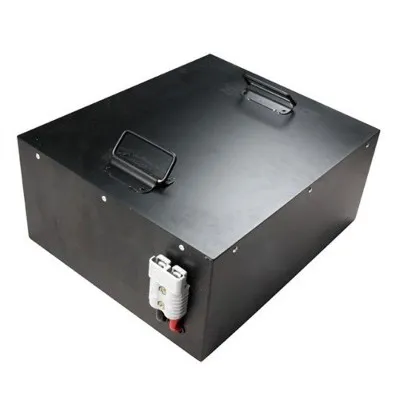
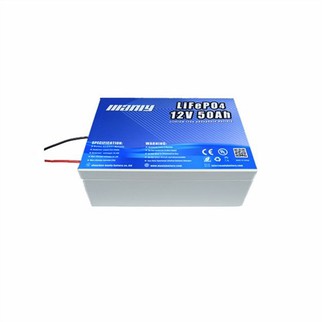
The battery performance determines the maximum travel and charging time of the pure electric vehicle. The cost of the battery accounts for a significant portion of the overall cost, and the amount of carbon emissions from manufacturing the battery also accounts for a significant portion (43%) of the entire life cycle of carbon emissions. Therefore, the battery is the most important technology key for the development of pure electric vehicles. The important battery performance parameters are: battery capacity, charging time, and battery life.
Nowadays, the batteries used in pure electric vehicles are nickel-metal hydride batteries (Ni-MH) or lithium-ion batteries (Li-ion batteries), both of which can be recycled. The lithium batteries that are suitable and have been used for pure electric vehicles are lithium iron phosphate battery and lithium titanate battery.
Performance
The performance of today's pure electric vehicles is quite good in many ways. For sports cars, the Tesla Roadster, accelerates from 0 to 97km/h in 3.9 seconds, while the general saloon car such as Smart ED 0 to 50km/h is 6.5 seconds, mainly due to the performance of the electric motor, but when used in heavier use, there are not many pure electric cars, probably due to the performance and cost of the battery. In terms of torque is the strong point of electric motor, so in general use torque will not be a problem.
As for top speed, many pure electric cars can reach more than 100km/h, like Tesla Roadster and other sports cars can reach more than 200km/h, and only need to turn gear once.
Because the torque output of electric motor is stable and the control is easier than internal combustion engine, the driving of pure electric car is smoother, and the vibration and noise are also less; and it does not need to change gear as often as general cars to ensure enough power.