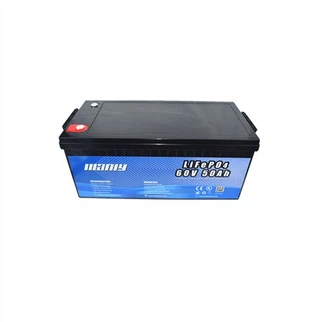
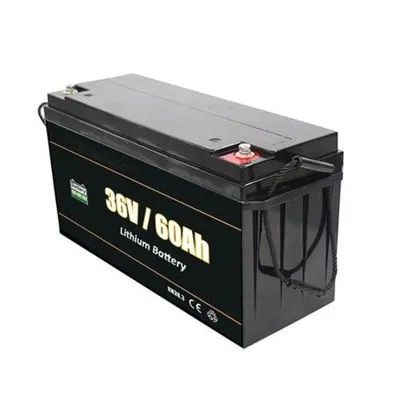
Lithium iron phosphate (LiFePo4) is an electrode material for lithium-ion batteries with a chemical formula of LiFePO4, which is mainly used in various lithium-ion batteries. Since 1996, NTT of Japan first revealed the olivine structure cathode material of AyMPO4 (A is an alkali metal and M is a combination of CoFe: LiFeCoPO4) for lithium batteries. In 1997, John. B. Research groups such as Goodenough also reported on the reversible transfer of LiFePO4 into and out of lithium.
A synthesis method of lithium iron phosphate
Solid-phase synthesis
1. High-temperature solid-phase reaction method: the most commonly used and most mature synthesis method at this stage. The nitrogen-protected pusher furnace, mesh belt furnace and rotary furnace are used for sintering.
2. Carbothermal reduction method (CTR): The synthesis method is simple, easy to operate, and the price of raw materials is low. Suitable for mass production.
3. Microwave synthesis method: short synthesis time, low energy consumption, suitable for laboratory research.
4. Mechanical alloying method
Liquid phase synthesis
1. Liquid phase co-precipitation method
2. Sol-gel method
3. Hydrothermal synthesis method
Other synthetic methods
Spark plasma sintering technology, spray thermal decomposition technology and pulsed laser deposition technology are also used in the synthesis of lithium iron phosphate.
Functional use of lithium iron phosphate
The main application areas of lithium iron phosphate are:
⑴ Energy storage equipment
Energy storage equipment for solar and wind power generation systems, uninterruptible power system UPS, and solar cells used as energy storage equipment (BYD is already producing such batteries);
⑵ Electric tools
High-power electric tools (wireless), electric drills, weeders, etc.;
⑶ Light electric vehicles
Electric motor vehicles, "electric bicycles," recreational vehicles, "golf carts," electric pushers, "clean vehicles, hybrid electric vehicles (HEV), the recent 2-3 year goal;
⑷ Small equipment
Medical equipment: (electric wheelchair, electric scooter), toys (remote control electric plane, car, boat);
⑸ Other small electrical appliances
Miner’s lamps, implantable medical devices (lithium iron phosphate is non-toxic, and only iron lithium can meet the requirements of lithium batteries), replacing lead-acid, nickel-metal hydride, nickel-cadmium, lithium cobalt, and lithium manganese batteries in small electrical appliances.