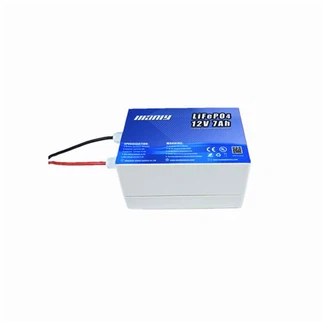
How big is the danger of producing new energy vehicle power lithium battery pack pollution? As the new energy vehicle power lithium battery pack cathode materials, electrolytes improperly handled to cause huge pollution to the environment, the car companies, lithium battery production business also did not find a complete set of battery recycling system, so we are very worried about whether the power lithium battery pack will cause environmental pollution. Here to explain the production of new energy vehicles power lithium battery pack pollution is how big the danger?
How big is the danger of pollution from the production of new energy vehicles power lithium battery pack?

New energy vehicles can now be seen on the market are pure electric models and hybrid models, pure electric models are all rely on electric power. The hybrid car is a mixture of oil and electricity, if you use the fuel drive, it is the same as the traditional energy cars, oil and electricity mix compared to traditional fuel cars more energy efficient.
1 20 grams of cell phone battery can pollute 3 standard swimming pool volume of water, if abandoned on the land can make 1 square kilometer of land pollution for about 50 years. Most of China's car power batteries are lithium-ion batteries, although they do not contain mercury, cadmium, lead and other toxic heavy metal elements, but used lithium-ion batteries still cause great pollution to the environment if not handled properly.
Many of the batteries of new energy vehicles on the market today belong to lithium batteries. From the structure of the power battery, it contains heavy metals in the cathode material, causing harm is able to last for decades hundreds. In addition to this the electrolyte in the waste battery is also corrosive.
Under the influence of the dual factors of policy and market environment, China's new energy vehicle production and ownership have exceeded half of the global total. after 2018, China's new energy power lithium battery pack will enter a large-scale retirement period, and it is expected that the cumulative retirement volume will exceed 200,000 tons in 2020. If these batteries are not disposed of properly, it will bring environmental impact and safety hazards to the society on the one hand, and also cause waste of resources on the other hand.
New energy vehicle power lithium battery pack disposal methods
(1) Gradient utilization: The so-called gradient utilization, after the life cycle of the lithium battery pack expires, the chemical activity drops significantly and is no longer suitable for automotive use, but the internal chemistry of the battery does not change and can also store part of the power, so the end-of-life battery can be collected and used in places where the requirements are not very high.
(2) Disassembly to obtain raw materials: However, these companies do not have a thorough understanding of the structure and assembly method of each type of power lithium battery pack, so the cost of equipment in the battery in the unpacking process is high, and if manual decomposition is used, the process is very polluting to the environment. In general this cooking is also very unpopular.
New energy vehicles have been contentious on the issue of battery pollution, and there has been no complete system in the country to ease the running process from car manufacturers to battery recyclers. The battery recycling project led by China Titan may realize the standard procedure from manufacturing, recycling, and secondary use in the future to solve the battery pollution problem head-on, and to a certain extent, it can also help new energy vehicles to improve certain second-hand residual values.
Through the above analysis, we have to admit that new energy vehicles also exist pollution, both at the source and in the vehicle itself, but we also have to admit that new energy vehicles are also a great help to the environment, can effectively control emissions, and drive the popularity of green travel mode for consumers.
If you have any demands in batteries, please feel free to contact info@manlybattery.com