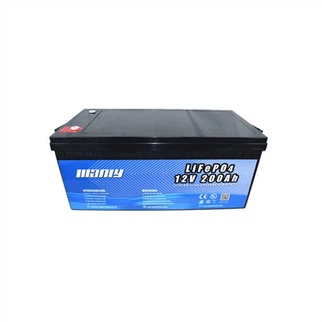
Battery explosion is a very small probability of events, but does not mean that it will not happen, although the current technical level, the safety of battery technology has been more reliable, but in some extreme environments, the probability of battery explosion is still very high.
For the battery explosion accident, then we must first understand one thing: why the battery will explode?
First, the explosion means the instantaneous release of pressure. This requires a sealed environment to achieve, in general the battery in many cases is not closed, whether it is lithium or lead-acid batteries, in the design of the internal pressure increases abnormally set the safety valve, even if the battery occurs inside the short circuit and other abnormalities, the internal pressure will be released in time, will not cause a big risk.
So since the battery in the beginning of the design has taken into account the potential risks, then why in the news reports can often see cases of battery explosions?
In fact, many "battery explosion" case is not actually a direct explosion of the battery, but the controller or electrical system short circuit or failure caused by capacitors or other components such as Mos tube, etc., the explosion will produce a large sound, followed by, when the battery or other parts of the vehicle burning, there is a high probability of causing more wiring short circuit, thus triggering a vicious chain reaction, eventually leading to lithium battery internal short circuit generated a huge accumulation of heat, so that part of the battery safety valve failure eventually lead to battery explosion.
Another situation is the battery charger failure to form overcharge, the battery precipitation of hydrogen, when the hydrogen and oxygen in a certain proportion of the mixture of explosive combustion.
So which is safer, lithium batteries or lead-acid batteries?
From the battery structure, the current lithium battery pack is basically an 18650 battery package, while the lead-acid battery is basically a maintenance-free lead-acid battery with good sealing performance, if the internal pressure is too high and the safety valve is abnormal, the safety of the lead-acid battery may be more reliable, after all, the strength of the shell of the lead-acid battery is stronger than the steel shell of the single 18650 battery.
However, if overcharging occurs, the battery internal hydrogen precipitation phenomenon is serious, the chances of explosive combustion will also be greatly increased.
From the perspective of battery safety protection, 18650 cells are designed with a safety valve, which not only can release excessive internal pressure, but also physically disconnect the battery from the external circuit, which is equivalent to physically isolating the cell to ensure the safety of other cells in the pack.
In addition, lithium battery packs are usually equipped with BMS protection board, directly from the root of the problem of overcharge and overdischarge.
In summary: the battery actually have a certain risk, but as long as the use of a reasonable safe way to use the battery is no problem from the safety of the battery redundancy design, qualified lithium batteries and lead-acid batteries are able to fully ensure the safety of users, there is no significant difference in safety. However, due to the large number of many low-end small electric vehicles and scooters on the market, and most of them use poor quality lithium batteries, which are relatively more prone to accidents, which also leaves consumers with the illusion that lithium batteries are not safe.
Welcome to visit our company website: www.manlybattery.com. If you have any interests in batteries, please feel free to contact us: info@manlybattery.com