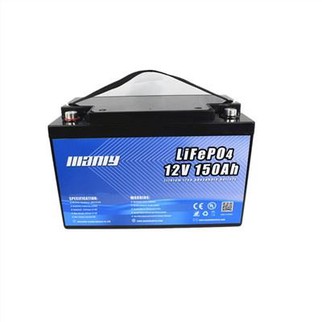
Lithium ion battery has been a necessity of people's life, in use must be correct, do not occur unnecessary danger, lithium ion battery application matters needing attention in addition to the above can not be rechargeable lithium
Charging should also pay attention to the following points:
1, lithium ion batteries have different varieties of 4.1V and 4.2V termination charging, so when charging, pay attention to the 4.1V battery can not be charged with 4.2V charger, otherwise there will be the danger of overcharging (4.1V and 4.2V charger with charger IC is different!) .
2. When charging the battery, the ambient temperature shall not exceed the temperature range listed in the product characteristics table.
3, can not reverse charging.
4. The charger charged with nickel-cadmium battery (charged with three nickel-cadmium batteries) can not be used to charge lithium ion battery (although the rated voltage is the same, it is 3.6V), but the charging mode is different, which is easy to cause overcharge.
The following points should be noted in discharge:
1. The discharge current of lithium ion battery shall not exceed the maximum discharge current given in the product characteristic table. When the discharge current is large, it will generate a high temperature (energy loss) and reduce the discharge time. If there is no protective element in the battery, it will overheat and damage the battery.
2. Power down curves are different at different temperatures, as shown in FIG. 5. It can be seen from the figure that the discharge voltage and discharge time are different at different temperatures. The discharge condition is worst at -20℃.