Electric two-wheelers can be divided into lead-acid two-wheelers and lithium two-wheelers according to different power sources.
Lead-acid battery has a long history of industrialization. It has a history of 160 years since Plante invented lead-acid battery in 1859. Lead-acid battery has high maturity and low price in theoretical research, technological development, product types, product electrical performance and other aspects. Therefore, in the domestic electric light vehicle market, lead-acid battery has long occupied the main market share.
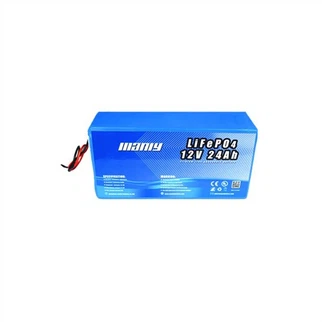
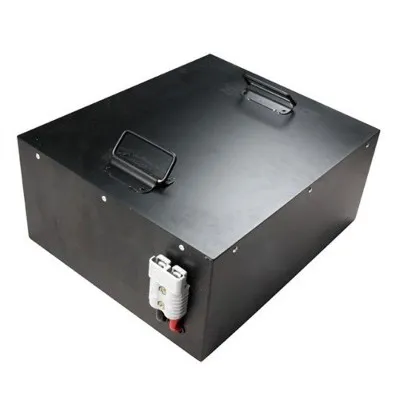
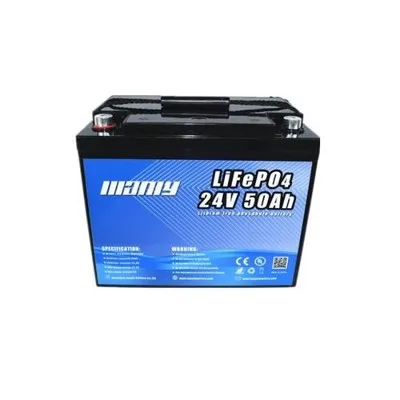
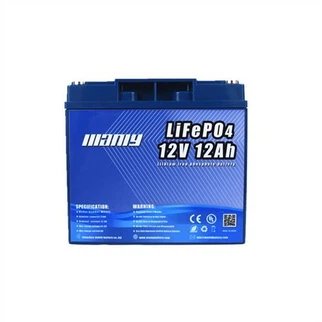
Lithium battery industrialization time is relatively short, since 1990 has developed rapidly, with high energy, long life, low consumption, pollution-free, no memory effect, and the advantages of small self-discharge, small internal resistance, lithium battery in the practical application has shown advantages and is widely regarded as one of the best secondary battery in the future prospects for development.
From the perspective of energy density, the energy density of lithium battery is 120-180Wh/Kg, which is significantly higher than that of lead acid battery 28-40Wh/Kg. At the same capacity, the mass and volume of lithium battery are 1/4 and 1/2 of that of lead acid battery respectively.
In terms of service life, lead-acid batteries need to be replaced every 12-18 months, while lithium batteries have a life span of 2-3 times that of lead-acid batteries.
From the point of view of portability, lithium battery is relatively light, so it is more convenient to replace after disassembly, while lead-acid battery is heavy, usually in the ground floor or fly line charging;
In terms of price, lithium battery has high one-time cost, while lead-acid battery has relatively high replacement cost.
From the point of view of safety, the safety of lithium battery is lower than that of lead-acid battery at present. Lithium battery manufacturers have higher RESEARCH and development capabilities of BMS and structural parts to improve the safety of lithium battery.
From the perspective of environmental protection, lithium batteries do not contain lead, cadmium and other heavy metals, and do not contain toxic materials, so they are known as green energy products. Lead-acid batteries may cause lead pollution in the process of production, use and recycling.