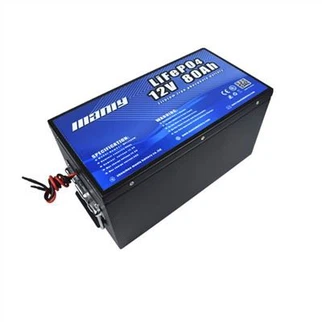
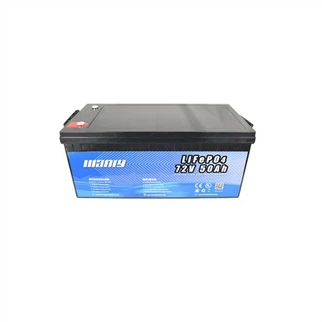
The principles are different, starting with lithium batteries and lithium-ion batteries (polymers are also lithium-ion batteries).
Lithium batteries are a class of lithium metal or lithium alloy for the negative electrode material, due to the chemical properties of lithium metal is very active, making the processing, preservation and use of lithium metal, the environmental requirements are very high. Lithium-ion battery negative electrode is graphite and other intercalation structure materials, the battery is lithium ions in the positive and negative electrode movement, so it is much safer than lithium batteries. Plus lithium-ion batteries and lithium polymer batteries.
Lithium-ion battery electrolyte is a liquid, polymer battery electrolyte is a gel or solid, a little safer.
First of all, our lithium batteries today, according to the scientific name, should be called lithium secondary batteries, with the corresponding anode material, and lithium primary batteries are different, primary batteries are mainly lithium as the other pole, these batteries generally use a liquid electrolyte, nowadays mainly based on LiPF6, LiClO4 dissolved in DMC:EC (v:v = 1:1) electrolyte, some of them are also modified, but still for liquid battery.
Polymer lithium battery, from the perspective of the internal materials of the battery, mainly the internal electrolyte is used polymer, here is generally a gel electrolyte and solid electrolyte, if memory serves, the Koreans have published a gel battery with PEO-ionic liquid as the electrolyte, I do not know if such a battery is used on the GalaxyRound or LGGFlex.
Secondly, lithium polymer battery box lithium batteries in the packaging is a little different, lithium batteries are generally steel case (18650 or button type 2320), while lithium polymer batteries with aluminum plastic packaging film as packaging, that is, soft pack batteries.
Of course there are lithium batteries with all-solid electrolyte LiPON, NASICON, chalcogenide, LiSICON such ceramic electrolyte with high conductivity or amorphous material composition of the glass electrolyte, if you want to classify, should probably be classified in the lithium secondary batteries, but this is already the expansion of the concept
Finally lithium batteries can be broadly divided into two categories: lithium metal batteries and lithium ion batteries. Lithium metal batteries are usually non-rechargeable and contain lithium in the metallic state. Lithium-ion batteries do not contain lithium in the metallic state and are rechargeable. Lithium batteries, lithium ion batteries and lithium polymer batteries are different in principle.