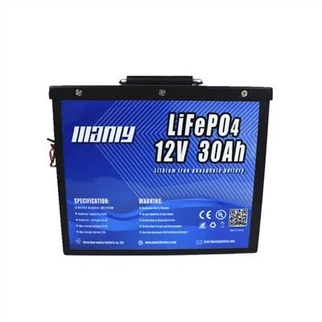
With the gradual promotion and industrialization of electric vehicles and the increasing development of electric vehicle technology, the technical requirements of electric vehicles for charging stations reflect a consistent trend, requiring charging stations to move as close as possible to the following objectives
1、Fast charging
Compared with the nickel-hydrogen and lithium-ion power battery with good development prospects, the traditional lead-acid battery has the advantages of mature technology, low cost, large battery capacity, good output characteristics of following the load, and no memory effect, but also has the problem of low specific energy and short driving range on a single charge. Therefore, the current power battery can not directly provide more range, if you can achieve rapid battery charging, in a sense, also solved the short range of electric vehicles this fatal weakness.
2、Charging generalization
In the background of multiple types of batteries and multiple voltage levels coexisting in the market, the charging device used in public places must have the ability to adapt to multiple types of battery systems and adapt to various voltage levels, that is, the charging system needs to have to charge versatility, with multiple types of battery charging control algorithms, and can match the charging characteristics of different battery systems on various types of electric vehicles, and can charge for different batteries. charging. Therefore, at the early stage of the commercialization of electric vehicles, relevant policies and measures should be formulated to regulate the charging interface, charging specification, and interface agreement between charging devices for public places and electric vehicles.
3、Charging intelligence
With the gradual promotion and industrialization of electric vehicles and the increasing development of electric vehicle technology, the technical requirements of electric vehicles for charging stations reflect a consistent trend, requiring charging stations to move as close as possible to the following objectives
1、Fast charging
Compared with the nickel-hydrogen and lithium-ion power battery with good development prospects, the traditional lead-acid battery has the advantages of mature technology, low cost, large battery capacity, good output characteristics of following the load and no memory effect, but also has the problem of low specific energy and short driving range on a single charge. Therefore, in the current power battery can not directly provide more range, if you can achieve rapid battery charging, in a sense, also solved the short range of electric vehicles this fatal weakness.
2、Charging generalization
In the background of multiple types of batteries and multiple voltage levels coexisting in the market, the charging device used in public places must have the ability to adapt to multiple types of battery systems and adapt to various voltage levels, that is, the charging system needs to have to charge versatility, with multiple types of battery charging control algorithms, and can match the charging characteristics of different battery systems on various types of electric vehicles, and can charge for different batteries. charging. Therefore, at the early stage of the commercialization of electric vehicles, relevant policies and measures should be formulated to regulate the charging interface, charging specification, and interface agreement between charging devices for public places and electric vehicles.
3、Charging intelligence
One of the most critical issues that restrict the development and popularity of electric vehicles is the performance and application level of energy storage batteries. The goal of optimizing the battery wisdom charging method is to achieve non-destructive battery charging, monitor the battery's discharge status, and avoid the over-discharge phenomenon, so as to achieve the purpose of extending the battery's service life and energy saving. The technological developments in the application of charging wisdom are mainly reflected in the following areas.
● Optimized, intelligent charging technology and chargers and charging stations;
● Calculation, guidance, and intelligent management of battery power;
● Automatic diagnosis and maintenance technology of battery failure, etc.
4、Efficient power conversion
The energy consumption index of electric vehicles is closely related to their operating energy costs. Reducing the operating energy consumption of electric vehicles and improving their economy is one of the key factors to promote the industrialization of electric vehicles. For the charging station, from the consideration of electric energy conversion efficiency and construction cost, the charging device with high electric energy conversion efficiency and low construction cost should be preferred.
5、Charging integration
In line with the requirements of miniaturization and multi-functionalization of sub-systems, as well as the increase in battery reliability and stability requirements, the charging system will be integrated with the electric vehicle energy management system into a whole, integrated transmission crystal, current detection and reverse discharge protection and other functions, without external components to achieve a smaller, more integrated charging solution, thus saving layout space for the rest of the electric vehicle, greatly reducing system costs, and can optimize the charging effect and extend battery life.