As 5G technology upgrades are false and rely entirely on violent upgrades, a direct result of this is that power consumption is abnormally large, and it has become an electric tiger. According to a netizen:
The tragedy of the 5G electricity bill. The original 4G 6 RRUs consume 30A of electricity, an average of 5A per unit. Now only one 5G AAU has been added, and it has soared to 50A. One AAU consumes 20A of electricity. If all three AAUs are installed, they will directly work for the power company.
Another friend pointed out:
This is not just a question of high and low electricity bills. With such large power consumption, the battery discharge time will definitely be greatly shortened. Once a large-scale power failure occurs, a large number of services will be withdrawn; the diameter of the power supply line should be thicker, and it will be more difficult to ensure the DC power of the AAU indoors.
It can be said that power consumption and power supply problems are already an unavoidable problem for 5G at this stage.
Prior to this, Huawei and the Tower had cooperated on a plan of "not changing the mains and not changing the power distribution". But in fact, the solution of "no change to the mains and no power distribution" is to add an additional "charger". When the load peak value exceeds the power limit point when the 5G service is simulated, the lithium battery participates in the load power supply to achieve the effect of smart peak shaving. ; When the load is idle, the lithium battery will be charged immediately to replenish the power.
This approach reduces the cost of grid transformation in early construction. It is only a measure of the rights and interests of the early 5G networking, and it cannot really reduce the power consumption of the entire system. On the contrary, it will increase the power consumption of the entire system due to the newly added battery part!
It will also increase the cost of batteries. It is estimated that Huawei can sell a wave of batteries.
Don't tell me, there is really an analysis agency that has done a very detailed analysis of the lithium-ion battery market because of the power consumption of 5G and an excerpt from it:
“5G commercial applications are getting closer and the entire industry chain is actively operating to meet new technical standards. Data shows that in the past three years, domestic network operation and support costs have increased by more than 10% annually on average, of which energy consumption accounts for approximately 12%. In the case of such a significant increase in operation and maintenance costs, the state requires a reduction in tariffs, so operation and maintenance costs have become a key development point.
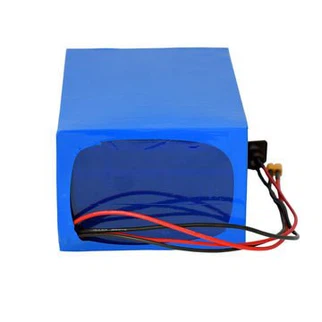
In 2018, China Tower stopped purchasing lead-acid batteries and purchased batteries for tiered use in a unified manner. As of the end of 2018, it has used about 1.5GWh of echelon lithium batteries (48V 100Ah LiFePo4 Battery)in about 120,000 base stations in 31 provinces and cities across the country, directly replacing about 45,000 tons of lead-acid batteries.
As the construction of 5G base stations accelerates, the demand for energy storage batteries will increase substantially.
According to the plan, the 5G base stations of China Telecom and China Unicom will be more than twice the current number of 4G base stations, and China Mobile will be more than four times the current number. According to data from the 2018 annual reports of various operators, there are at least 14.38 million base stations in China that need to be built or renovated.
In addition, due to the significant increase in energy consumption of 5G base stations, it means that there are 14.38 million sets of backup energy systems that need to be improved, and there is at least 155GWh of battery space in the market. "
It is estimated that in the next few years, domestic lithium-ion battery manufacturers will get a share of the trend of 5G.
In addition, as the friend at the beginning of the article said, "I worked directly for the power company." A 5G base station costs more than 10,000 electricity a year, 14.38 million 5G base stations, and the annual electricity bill is about 150 billion. In scale promotion, in addition to making Huawei ZTE rich, power companies are also invisible big winners.