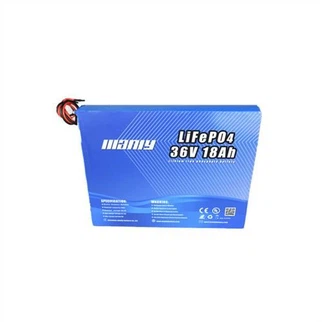
Photovoltaic energy storage is different from grid-connected power generation. It is necessary to increase batteries and battery charging and discharging devices. Although the initial cost will increase by 20-40%, the application scope is much wider. According to different application occasions, solar photovoltaic energy storage power generation system can be divided into off-grid power generation system, off-grid energy storage system, grid-connected energy storage system and a variety of energy hybrid micro-grid system.
Photovoltaic off-grid power generation system
Photovoltaic off-grid power generation system, independent of power grid operation, applied in remote mountainous areas, no power areas, islands, communication base stations and street lights and other application places. The system consists of photovoltaic array, solar controller, inverter, battery pack, load and so on. The photovoltaic square array converts solar energy into electricity under the condition of illumination, and supplies power to the load through the solar controlled inverter and charges the battery group at the same time. In the absence of light, the battery supplies power to the AC load through an inverter.
Photovoltaic off-grid power generation system is specially designed for use in areas without power grid or areas with frequent power outages. It is a rigid demand. An off-grid system does not depend on the power grid, relying on the working mode of "storage while using" or "storage before using". For households in areas without a power grid or areas with frequent power outages, the off-grid system has strong practicability. At present, the off-grid electricity cost of photovoltaic is about 1.0-1.5 yuan per kilowatt-hour, much higher than that of the grid-connected system, but compared with the oil-fired generator, the electricity cost is 1.5-2.0 yuan per kilowatt-hour, which is more economic and environmentally friendly.
2 and off-grid energy storage system
And off-grid photovoltaic power generation system is widely used in a frequent power outage, or photovoltaic spontaneous self-use can not spare the Internet, self-use electricity price is much more expensive than the grid price, the peak price is much more expensive than the trough price and other application places.
The system is composed of a photovoltaic array composed of solar cell modules, solar energy, an off-grid integrated machine, battery pack, load, etc. The photovoltaic square array converts solar energy into electricity under the condition of illumination, supplies power to the load through the solar-controlled inverter, and charges the battery group at the same time. When there is no light, the battery supplies power to the solar-controlled inverter and then to the AC load.
Relative to the grid-connected power generation system and off-grid system increases the charge and discharge controller and battery, the system cost increases by about 30%, but the application range is wider. First, it can be set at the peak of the electricity price to the rated power output, reduce the cost of electricity; Second, the price of electricity valley charge, peak discharge, the use of peak valley difference to make money; Third, when the power grid fails, the photovoltaic system continues to work as a backup power supply, and the inverter can switch to off-grid working mode. Photovoltaic and battery can supply power to the load through the inverter.
The photovoltaic grid-connected energy storage system
Grid-connected energy storage photovoltaic power generation system, can store excess power generation, improve the ratio of spontaneous self-use, applied to photovoltaic spontaneous self-use can not spare the Internet, self-use electricity price is much more expensive than the price of the grid, wave electricity price is much more expensive than wave flat electricity price and other applications. The system is composed of a photovoltaic array, solar controller, battery pack, grid-connected inverter, current detection device, load, and so on. When the solar power is less than the load power, the system is powered by solar energy and the grid together. When the solar power is greater than the load power, part of the solar energy supplies power to the load, and part of the controller is stored.
In some countries and regions, a set of photovoltaic systems installed before the removal of photovoltaic subsidies can be installed a set of grid-connected energy storage systems, photovoltaic power generation is completely self-sustaining. Grid-connected energy storage machines can be compatible with the inverter of various manufacturers, the original system can not do any change. When the current sensor detects a flow of electricity to the grid, the grid-connected accumulator kicks in, storing excess energy into a battery, and turning on the electric water heater if the battery is also full. When the home load increases at night, the battery can be controlled through the inverter to send electricity to the load.
4 Microgrid energy storage system
The microgrid system consists of a solar cell array, grid-connected inverter, PCS two-way converter, intelligent switch, battery pack, generator, load, etc. A photovoltaic array converts solar energy into electric energy under the condition of illumination, supplies power to the load through the inverter, and charges the battery pack through PCS two-way converter. In the absence of light, the battery supplies power to the load through PCS two-way converters.
A microgrid can give full and effective play to the potential of distributed clean energy, reduce adverse factors such as small capacity, unstable power generation, and low reliability of independent power supply, ensure the safe operation of the power grid, and is a beneficial supplement to the large power grid. A microgrid can promote the upgrading of traditional industries and play a huge role from the perspective of economic and environmental protection. Experts say that the application of microgrids is flexible, and the scale can range from several kilowatts to dozens of megawatts. It can be developed in factories, mines, hospitals, schools, and even a building.
Main advantages of a microgrid system over a pure off-grid system
1, the application range is wider, the off-grid system can only be used from the large power grid, while the micro-grid system includes all the applications of the off-grid system and grid-connected system, with a variety of working modes
2, the system configuration is flexible, the grid-connected inverter can choose a single or multiple free combinations according to the actual situation of customers, can choose the group of series inverter or centralized inverter, and even choose the inverter of different manufacturers. The power of grid-connected inverters and PCS converters can be equal or different.
3, the system efficiency is high, the photovoltaic power generation of the micro-grid system can be used directly to the nearest load through the grid-connected inverter, the actual efficiency is as high as 96%, and the two-way converter mainly plays a voltage stabilizing role.
4. With strong load capacity, a grid-connected inverter and bidirectional converter of the micro-grid system can supply power to the load at the same time. When lighting conditions are good, the load energy can be increased a lot.