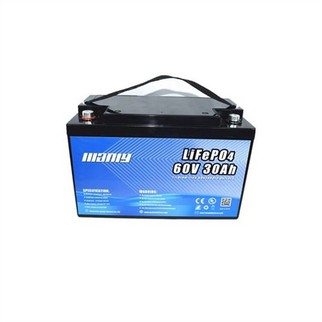
With the development of China's new energy vehicle industry, the power lithium battery itself is gradually focusing on environmental pollution, power battery recycling is still a big problem, the construction of a sound power battery recycling system can not wait.
Due to the power battery cathode material, electrolyte improper handling of the environment caused great pollution, and the domestic has not yet issued a specific bill to regulate the recycling of power batteries, while the car companies, battery production business is not looking for a complete battery recycling system, so we are very worried about whether the power battery will cause environmental pollution. Today we will take a look at the developed countries in the recycling of power batteries, what successful experience is worth learning from us.
For the recycling of power batteries, the current common way is: secondary use + recycling treatment. For the retired power batteries on new energy vehicles, the energy residuals above 70% can be further applied to energy storage, distributed photovoltaic power generation, household electricity, low-speed electric vehicles and other fields after selection, testing and other links; and then further decomposed for regenerative treatment.
At present, domestic power battery recycling enterprises are not strong professionalism, poor safety, low entry threshold, dismantling is not standardized and other outstanding problems.
First, technical specifications are not perfect, recycling system has not been established; reference to the previous recycling for lead-acid batteries can be seen, many small workshops on the market use unscientific methods to recycle and disassemble lead-acid batteries, waste electrolyte containing sulfuric acid, lead sulfate, etc., the use of backward methods to recycle lead batteries will lead to the waste liquid into the environment at will, the smelting and processing process will produce a large amount of lead-containing soot or heavy metal wastewater, resulting in Serious environmental pollution, such as the "blood lead incident" that has happened many times in recent years in China.
Secondly, the specific recycling requirements of the introduced policy are not clear, and the requirements for power battery recycling in the Notice on Financial Support Policies for the Promotion and Application of New Energy Vehicles from 2016 to 2020 and the Rules for Access Management of New Energy Vehicle Manufacturers and Products are only "enterprises shall assume the main responsibility for power battery recycling". "New energy vehicle manufacturers should establish a new energy vehicle product after-sales service commitment system including battery recycling";
Third, the lack of power battery recycling incentives and penalties, the current policy is not mandatory management, enterprise motivation is not high, the need to develop power battery recycling incentive rules, the establishment of a clear reward and punishment mechanism.
Comparing the status quo of battery recycling in the above countries, we can see that in addition to having advanced power battery recycling technology, these countries also have relatively sound laws and regulations to protect. At present, in order to guide and promote the use of power battery gradient, the national policy level has continuously introduced policies, but China still lacks professional laws and regulations, and recycling enterprises also lack relevant strict management system. Therefore, it is also necessary for China to establish a perfect power battery recycling system by drawing on relevant foreign experience.