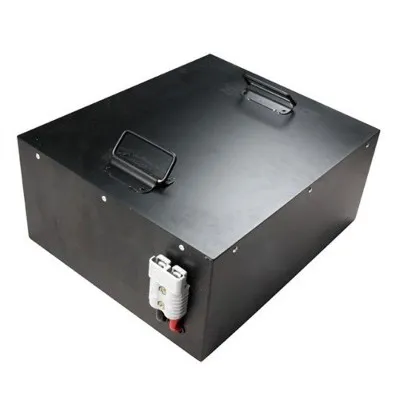
Lithium-ion battery charging can be divided into four stages, as follows:
Phase 1: Trickle charge Trickle charge is used to precharge the fully discharged battery cell first. When the lithium-ion battery voltage is lower than about 3V, trickle charging is used. The trickle charging current is one-tenth of the constant current charging current, that is, 0.1c.
Phase 2: Constant current charging When the voltage of the lithium-ion battery rises above the trickle charge threshold, increase the charging current for constant current charging. The current for constant current charging is between 0.2C and 1.0C. The voltage of the lithium-ion battery gradually increases with the constant current charging process. Generally, the voltage set for a single-cell battery is 3.0-4.2V.
Phase 3: Constant voltage charging When the voltage of the lithium-ion battery rises to 4.2V, the constant current charging ends and the constant voltage charging phase begins. According to the saturation of the battery cell, the charging current gradually decreases from the maximum value as the charging process continues. When it decreases to 0.01C, the charging is considered to be terminated.
Stage 4: Charge termination There are two typical charging termination methods: 1. Use the minimum charging current to judge or use a timer. The minimum current method monitors the charging current in the constant voltage charging stage, and terminates the charging when the charging current decreases to the range of 0.02C to 0.07C. 2. The second method starts timing at the beginning of the constant voltage charging phase, and terminates the charging process after two hours of continuous charging.