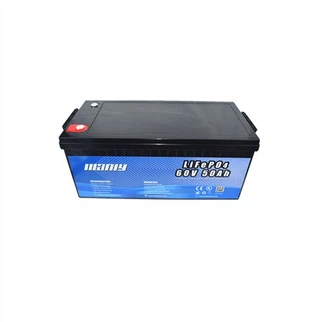
In the past, Dinari energy storage systems have relied heavily on power batteries, but changing performance requirements will lead to market fragmentation, the report said. Rapid growth in demand for electric vehicles has led to a more than 85% drop in the cost of lithium-ion batteries since 2010. Historically, the energy storage market has been dominated by NMC batteries. In late 2018 and early 2019, the energy storage industry's demand for NMC batteries increased rapidly and has exceeded supply capacity.
While NMC batteries are in short supply, lithium-iron-phosphate batteries are in plentiful supply, especially in China.
'As NMC battery prices remain flat due to longer delivery times, suppliers of lithium iron phosphate batteries are looking to enter the NMC market at more competitive prices, making lithium iron phosphate an attractive option for power and energy applications,' Wood Mackenzie senior analyst Mitalee Gupta wrote in the report.
As demand for electric vehicles and energy storage systems rises and performance requirements change, original equipment manufacturers (OEMs) will begin to focus more on innovation and product specialization in the coming years, leading to a divergence in the types of batteries needed for each application, Mr. Gupta believes.
"Demand for high recoverability and high frequency in the energy storage system market will outpace demand for energy density and stability. However, cost and safety remain the primary considerations for battery suppliers."
Wood Mackenzie believes that lithium-iron-phosphate batteries will be mainly used in China before entering the global electric passenger car market, although they may make their way into some parts of the market for energy storage systems.