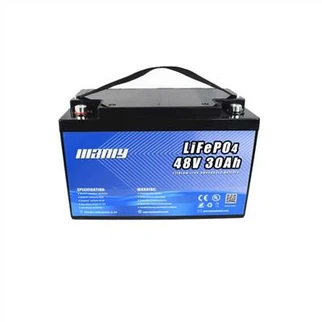
According to the U.S. Energy Information Administration, the U.S. has 4,605 megawatts (MW) of energy storage battery power capacity by the end of 2021. Power capacity refers to the maximum amount of energy a battery can release at a given moment.
More than 40 percent of the battery storage capacity operating in the U.S. in 2020 can perform both grid service and power load shifting applications. About 40% of energy storage only performs power load transfer, and about 20% is used only for grid services.
Batteries used for grid service have a relatively short average duration (the average battery duration is the time the battery provides electrical energy at its nameplate power capacity until it is depleted); batteries used for electrical load transfer are relatively long-lasting. Batteries lasting less than two hours are considered short-duration batteries, and almost all batteries can provide grid services that help maintain grid stability. Batteries that provide grid service discharge in short periods of time, sometimes only seconds or minutes. Deploying short-duration energy storage batteries is economical, and most battery capacity installed in the late 2010s consisted of short-duration energy storage batteries for grid services. But over time, that trend is changing.
Batteries with durations between 4 hours and 8 hours are typically cycled once a day and are used to transfer power from periods of relatively low load to periods of higher load. In an area with relatively high solar power generation capacity, batteries that are cycled daily can store solar power at noon and discharge during peak load times when solar power drops in the evening.
U.S. battery storage is expected to increase by 10 gigawatts by the end of 2023, with more than 60 percent of battery capacity paired with solar power plants. As of 2020, the majority of battery storage installations installed in solar facilities are used to transfer electrical loads for an average duration of more than 4 hours.