Generally speaking, there are mainly three types of robot batteries: nickel-metal hydride batteries, lithium batteries, and lead-acid batteries. The choice of the specific robot battery depends on the type of robot. At present, robots include large robots, intelligent service robots, and sports robots. Robots, toy robots, and adventure robots. Let's take a look at which robot batteries are generally used in which robots.
1. Ni-MH robot battery
NiMH Robot Battery
Robots that use nickel-metal hydride batteries as power sources are generally low-end toy robots. Because such robots are not expensive at first, they must be limited in terms of manufacturing costs. In terms of battery price, nickel-metal hydride batteries are a better choice. Toy robots do not require large-capacity and high-current discharge and have relatively high safety requirements. NiMH batteries just meet this requirement.
2. Robots with lithium batteries
Lithium Battery
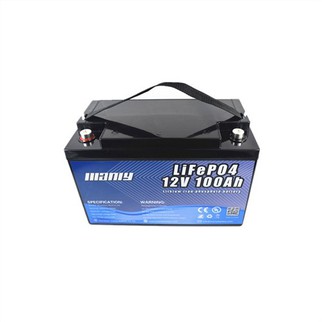
Robot batteries usually choose lithium-ion batteries for special-purpose robots such as intelligent service robots, entertainment robots, or expedition EOD. First of all, these robots are not sensitive to the cost of choosing batteries. At the same time, the batteries are required to be relatively light and large in capacity and can provide high current discharge, and also ensure long life. Then the soft pack lithium-ion battery is a more suitable choice. Soft-pack lithium-ion batteries include soft-pack polymer lithium batteries and soft-pack lithium iron phosphate batteries. For these two types of lithium-ion batteries, polymer lithium-ion batteries are required in terms of energy density (capacity), high current discharge, and low-temperature performance. It is more superior to lithium iron phosphate batteries, so it is used more in some competitive robots and special-purpose robots, while lithium iron phosphate batteries are used more in the field of AI service robots or larger industrial robots, because AI service robots such as catering Service robots and bank lobby robots do not require batteries to provide high-current discharge and low-temperature performance, and pay more attention to battery life. Therefore, iron-lithium batteries just meet the requirements in this regard.

3. Robots for selecting lead-acid batteries
Lead-acid batteries
The robot that chooses the lead-acid battery is basically a robot that does not need to move, because the lead-acid battery is very heavy, and it is very inconvenient to install it on a movable robot. Lead-acid batteries are generally used as backup power sources. In addition, their installation and application costs are relatively low, their monomer consistency is relatively good, and their development history is relatively long. Compared with lithium batteries, the technology is relatively mature, so they have certain advantages in industrial applications. However, due to its serious environmental pollution hazards, which are not conducive to the requirements of sustainable development, it is slowly being replaced by lithium iron phosphate batteries.
MANLY Battery has over 12 years of experience in the R&D, manufacture, and sales of energy storage batteries, robotics batteries, solar batteries, if you have inquiries on the robotics batteries, please contact MANLY Battery.