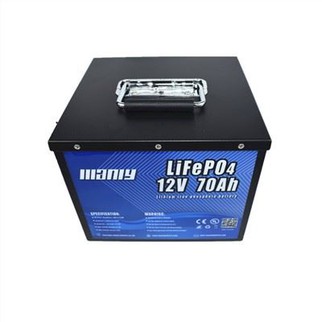
Lead-acid batteries are widely used in electric bicycles and fuel vehicles, so why do pure electric vehicles use high-cost lithium batteries instead of lower-cost lead-acid batteries? There is a reason.
First of all, in terms of waterproof and dustproof, lead-acid batteries are far less powerful than lithium batteries. It should be known that the battery of a pure electric vehicle is generally placed on the chassis, so in the daily driving process, it is inevitable to encounter bumps and immersion in water, which requires the battery to have good waterproof and dustproof performance, and has reached IP67 level Lithium Ion batteries are safer than lead acid batteries.
Next is volume. Due to the relatively high energy density of lithium batteries, the volume of lithium batteries is only 2/3 of that of lead-acid batteries and the weight of lithium-ion batteries is only 1/3 of that of lead-acid batteries under the same power. Improved car battery life. Lastly is the lifespan.
Lead-acid batteries generally only support 400 times of deep charge and deep discharge, with a lifespan of only two years; while lithium batteries can support more than 3000 cycles of discharge, and the SOC can still be above 70%, and the lifespan can reach 3-8 years. You must know that cars are products that need to be used for a long time, so lithium batteries with longer life are of course more popular. However, lead-acid batteries are still very popular in the field of low-speed vehicles or electric bicycles that do not have strict requirements on volume, weight and life.