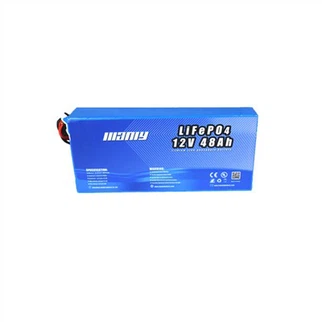
Lithium-ion batteries can be divided into liquid lithium-ion batteries (LIB) and polymer lithium-ion batteries (PLB) according to the electrolyte materials used.
Lithium-ion battery working environment: high-temperature lithium-ion battery, lithium-ion battery at low temperature, normal temperature lithium-ion battery, electrolyte state: liquid lithium-ion battery, gel solid-state lithium-ion battery, lithium-ion battery, according to the shape: square lithium-ion battery , Cylindrical lithium ion battery, oval lithium ion battery, according to the packaging form: lithium ion battery with rigid shell, lithium ion battery with soft bag shell.
Structural composition of lithium ion battery
Electrodes are the basic building blocks of batteries. Electrode materials for lithium-ion batteries include:
Important components: Active substances directly involved in electrochemical reactions. The positive active material of the lithium ion battery is a lithium salt compound. At present, lithium cobalt acid, lithium manganese acid, lithium nickel acid, ternary (lithium nickel cobalt manganese acid), lithium iron phosphate, etc. have been widely used. Important negative active materials include graphitized carbon materials, amorphous carbon materials, nitrides, silicon-based materials, new alloys and other materials. Secondary components: do not directly participate in the electrode reaction, but can improve the conductivity and processability of the battery. The important ones are collecting liquid, adhesive and conductive agent.
From the internal material composition can be divided into:
Chemical materials: lithium cobalt acid (lithium manganese acid, lithium nickel acid, ternary material, lithium iron phosphate), graphite anode (artificial graphite, natural graphite, MCMB, modified natural graphite), separator, electrolyte, conductive agent ( Graphite: ks-6, SO; conductive carbon black, such as SuperP, acetylene black, harp, etc.), PVDF (polyvinylidene fluoride, whose molecular weight ranges from 300,000 to 600,000, are the most commonly used anode binders ), NMP (N-methylpyrrolidone, good organic solvent, can dissolve PVDF quickly), oxalic acid (used for copper foil surface cleaning and corrosion, strengthen the adhesion and adhesive between substrates), SBR (styrene-butadiene) Rubber, latex binder, SBR mixed with CMC as cathode material (water-based binder), CMC, sodium carboxymethyl cellulose, pectin, mixed with SBR for dispersion and thickening), PTC (Positive Temperature Coefficient Thermal Varistor, polymer insulation conductance over a certain temperature) below temperature, high temperature tape (mechanical and electrical protection of pole pieces and ears at both ends and as end area), copper foil (use electrolytic copper foil, generally negative fluid, generally It is a single light copper foil oily material, generally a water-based double-sided copper foil material), aluminum foil, aluminum foil rolling, positive setting fluid), etc.;
Hardware material: steel shell, aluminum shell, cap, ring, aluminum strip, nickel strip, aluminum and nickel composite strip.
Lithium-ion batteries have high operating voltage, small size, light weight, high energy, no memory effect, no pollution, small self-discharge, and long cycle life, making them the most ideal energy source.