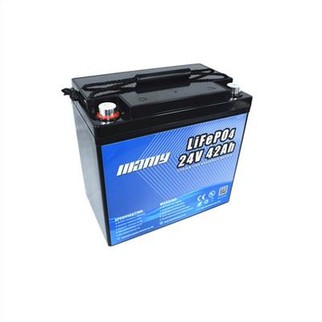
Some renewable energy developers deploy energy storage systems for their already commercial solar power generation facilities, which can save a lot of electricity bills. There are three reasons for deploying battery energy storage systems in conjunction with solar power generation facilities:
Reason 1: Use power from your solar power facility when you need it most (even on cloudy days)
Most utilities offer commercial and industrial (C&I) customers time-based tariffs, meaning customers pay more for electricity when the grid is powered at peak capacity. For utilities during the summer peak, it's usually the late afternoon that makes the most money.
By deploying a battery energy storage system in conjunction with a solar power generation facility, a portion of the solar power generation facility's electricity can be stored when electricity prices are low, and discharged when electricity prices are high to meet power demand during peak periods. This is called energy transfer, and it's a great way to improve the return on investment of a solar power facility.
For example, commercial and industrial users with higher electricity bills between 4:00 p.m. and 9:00 p.m. use solar power generation facilities to charge their battery storage systems from 7:00 a.m. to noon. The battery storage system feeds the stored electricity to the grid later in the day, which can delay the supply of electricity from the solar generation facility until peak electricity demand, thereby reducing the overall cost of electricity.
Reason 2: Expanding the power generation scale of solar power generation facilities
In the case of a utility with a large-scale solar facility and no associated storage system, there is a limitation: the solar facility can only generate as much power as the transmission lines and grid in use can accommodate.
The same is true for commercial and industrial users who already have installed solar power facilities, only to use as much electricity from solar power facilities as possible. There is also a limit, which may mean that electricity from the grid is still required for a certain period of the day, and those users may prefer to use their own low-cost clean energy.
By adopting battery energy storage systems, electricity generation beyond the capacity limits of the grid can be stored, so there is an opportunity to install larger solar power facilities and get more value from their investment.
Reason 3: Management outages and grid outages
Electricity can travel at almost the speed of light, which means that if it is not stored, it will be used or wasted at the same moment it is generated. Therefore, the production and use of electricity must be balanced. If not, the imbalance between supply and demand can cause voltage dips and spikes in the grid, which can damage many of the electrical equipment used in industrial manufacturers.
Solar power generation may also experience a drop in power generation due to weather issues. If the power demand is not reduced, it may affect the load operation.
The combination of solar power facilities and energy storage systems can be adjusted for weather-related declines in power generation. The process of managing deviations in solar power generation due to bad weather is called "smoothing solar power generation".
A battery energy storage system can also disconnect a user's facility from the grid and keep its equipment running for a predetermined period of time.
If users need electricity when the solar power generation is low, they can benefit from the battery storage system of the solar power generation facility. This measure is a form of "energy curing," the process of maintaining the amount of solar power generated for a desired period of time. In other words, it ensures that enough power is always available when the user needs it. For these three reasons, solar power generation facilities need to be equipped with battery energy storage systems.