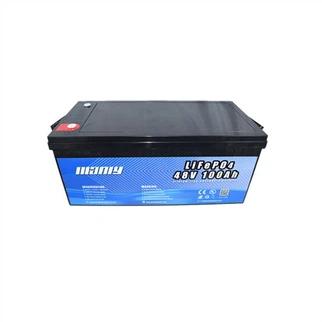
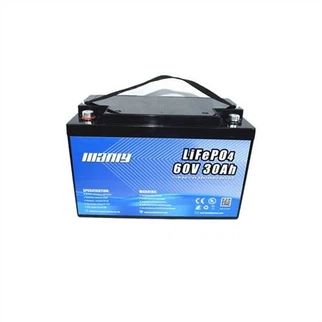
What is the harm to the human body if the waste batteries are not handled correctly; waste batteries are very harmful to the environment, the heavy metal toxic substances such as mercury, cadmium, lead and zinc in the waste batteries can directly affect human metabolism, if a small amount of long-term intake into the human body, the human body skills will have an impact, and can directly cause cancer. And the toxic heavy metal substances in waste batteries are not naturally degradable.
Heavy metal toxic substances such as mercury, cadmium, lead and zinc are contained in waste batteries.
If people are poisoned by mercury, it will damage the nervous system and the mortality rate is up to 40%; the important hazard of cadmium is nephrotoxicity, and it will also continue to cause painful disease (causing osteoporosis, chondrosis and fracture) and at the same time it is a carcinogenic substance; human consumption of food containing lead will affect enzymes and normal hemoglobin synthesis and affect the nervous system; waste batteries will be corroded and perforated within one month of landfill disposal, and the harmful substances in waste batteries will into the soil and water bodies, causing pollution to the environment. According to environmental protection experts, if 6 tons of household waste is mixed with a mercury-containing battery, when the waste is landfilled, the concentration of mercury in the soil will exceed the safety standards; if the waste battery is mixed with household waste into the incineration plant, the mercury, cadmium and other metals will be vaporized at high temperature and discharged into the atmosphere, so that the atmosphere will be polluted and affect human health.
The mercury, cadmium and lead in the battery during normal use do not leak out and cause harm.
Lead-acid batteries do not pollute during use, but during recycling, lead is a stable, non-degradable pollutant, which can not only enter human body directly through air and water, but also through people eating contaminated plants and animals, and gather in human body for a long time, which cannot be discharged through natural metabolism without external use, leading to the decline of human intelligence, low learning and working performance, mental disorder, headache and other chronic poisoning symptoms; to infants and children The impact on the neurological, hematopoietic system and intellectual development is particularly serious. Cadmium is a heavy metal with strong toxicity, NiCd batteries do not leak out when used, unless the battery encounters force majeure factors.
Hazards of waste batteries and disposal methods.
More and more people in today's society are becoming concerned about the pollution of waste batteries and their treatment. At present, the types, production and usage of batteries are constantly being added, and the corresponding number and types of waste batteries are also being added. And waste batteries contain many heavy metals and electrolyte solutions, which can cause harm to human body and ecological environment, and this problem needs to attract wide attention of the whole society.
Heavy metals such as mercury, cadmium, manganese and lead are contained in waste batteries. When the surface layer of waste batteries is rusted away by sun and rain, the heavy metals inside will penetrate into the soil and groundwater.
2. After the mercury in waste batteries spills, if it enters human brain cells, the human nervous system will be seriously damaged. Cadmium can damage the liver and kidneys, and in heavy cases, the bones are deformed.
3. Some waste batteries also contain acid and heavy metal lead, which can cause soil and water pollution if leaked to nature, and eventually cause harm to people.
4. Because of the serious hazards of abandoning waste batteries, then how to deal with waste batteries, used to usually use the means of recycling waste batteries, but given that we still lack effective recycling technology, China's environmental protection departments have stopped encouraging the centralized collection of waste batteries that have met our low mercury or mercury-free requirements.
5. So what should be done? According to the research of the authority, we just need to disperse the waste batteries into the official garbage bins and enter the regular landfill together with the domestic garbage, it will not cause environmental pollution, remember not to abandon at will.
Welcome to visit our company website: www.manlybattery.com, If you have requests or queries on batteries, please feel free to contact info@manlybattery.com. Thank you.